

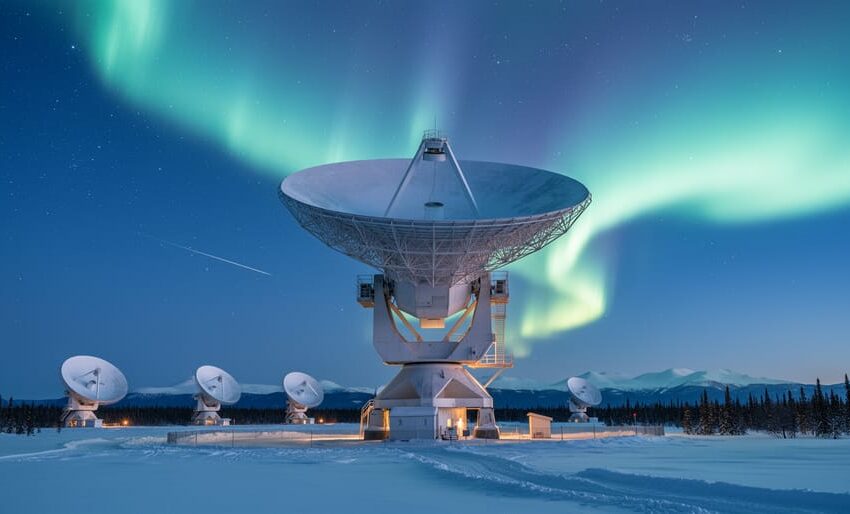
Identify Canadian space science platforms actively accepting contributions by researching government agencies like the Canadian Space Agency, university astronomy departments at institutions such as the University of Toronto and McGill, and established science communication outlets focused on space exploration. Target guest post placements that align with your expertise, whether observational astronomy, planetary science, satellite technology, or space policy, ensuring your pitch demonstrates unique insights that complement their existing content rather than duplicating it.
Craft compelling pitch emails that immediately establish credibility through your relevant credentials, recent publications, or professional affiliations within Canada’s space community. Include a working title, 150-word summary outlining your article’s value proposition, and two to three key takeaways readers will gain. Canadian platforms particularly value content connecting space science to national achievements, international collaborations involving Canadian researchers, or emerging technologies developed through partnerships with organizations like MDA or COM DEV.
Structure guest posts around storytelling that makes complex concepts accessible without oversimplifying scientific accuracy. Open with a captivating hook related to recent discoveries or missions, transition into educational content explaining the underlying science, and conclude with implications for future exploration or Canadian contributions to the field. Include verifiable data from peer-reviewed sources, proper attribution to Canadian scientists when applicable, and suggestions for images or graphics that enhance comprehension. Most platforms require 800-1500 words, original content not published elsewhere, and author bios linking back to your professional profiles or research pages.
The Power of Canadian Space Science Platforms
Who Reads Canadian Space Science News
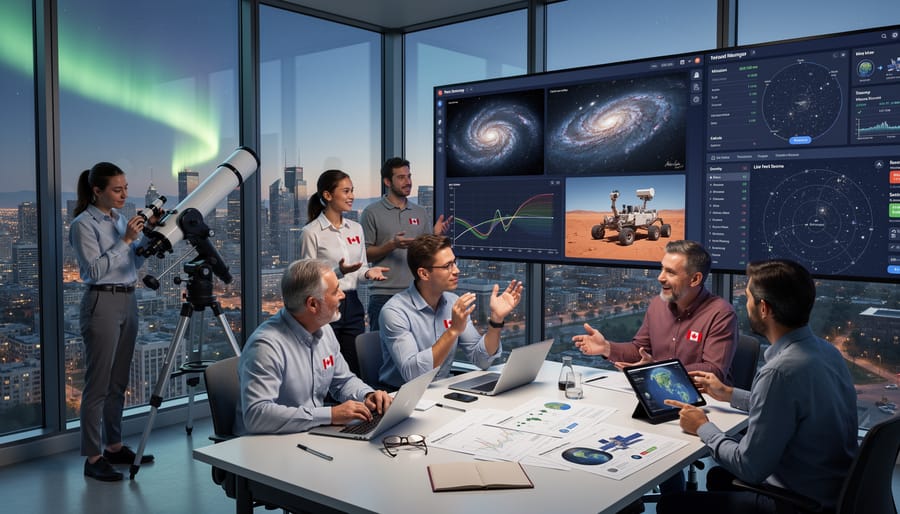
Canadian space science content attracts a remarkably diverse readership that spans multiple professional and personal interest levels. At the core are astronomy professionals and researchers who rely on these platforms to stay current with developments in their field, from satellite technology advancements to astronomical discoveries being made by Canadian observatories and space agencies.
Students represent another significant segment, particularly those pursuing degrees in physics, astronomy, aerospace engineering, and related disciplines. These emerging professionals seek both educational resources and networking opportunities that can shape their career trajectories in the space sector.
Space enthusiasts form the passionate backbone of the community—individuals who may not work directly in the field but maintain keen interest in cosmic exploration, planetary science, and technological innovation. This group often participates actively in community forums and engages regularly with newsletters.
Decision-makers in aerospace sectors, including government officials, industry executives, and research administrators, also monitor these publications. They seek insights into funding opportunities, policy developments, and collaborative research initiatives that could impact their organizations. Additionally, educators and science communicators use this content to inform their teaching materials and public outreach programs, creating a ripple effect that extends the reach of quality space science journalism throughout Canadian communities and beyond.
Community Engagement Features That Matter
When you publish a guest post about Canadian space exploration, the real value extends far beyond your article’s publish date. Platforms with active community engagement features transform your one-time contribution into an ongoing conversation.
Interactive forums allow readers to ask questions, share perspectives, and debate scientific concepts months or even years after publication. Your guest post becomes a living document, continuously generating discussion and driving traffic back to your work. This sustained visibility benefits both your professional reputation and the platform’s community growth.
Regular newsletters amplify your reach by featuring your content to subscribers who might have missed the initial publication. Many Canadian space science platforms send curated digests highlighting recent articles, research updates, and community discussions. When your guest post appears in these newsletters, it reaches audiences beyond organic search traffic.
Comment sections with moderated discussions encourage meaningful exchanges between experts and enthusiasts. These interactions often spark new ideas, collaborative opportunities, and future writing topics. Platforms that nurture these engagement features create ecosystems where contributors build lasting connections with readers who share their passion for space science.
What Makes a Compelling Guest Post in Space Science

Balance Accessibility with Scientific Rigor
Finding the sweet spot between accessibility and scientific rigor is essential for guest posts that resonate with Canadian space science audiences. Your goal is to educate without alienating readers who may have varying levels of expertise.
Start by introducing complex concepts through relatable analogies. For example, when explaining gravitational lensing, compare it to how a wine glass distorts light on a tablecloth before diving into Einstein’s field equations. This technique invites readers into the topic before presenting technical details.
Define specialized terminology immediately upon first use. Rather than assuming everyone knows what “spectroscopy” means, briefly explain it as “analyzing light to determine an object’s composition.” This approach keeps both newcomers and experts engaged without disrupting the narrative flow.
Successful guest posts often layer information strategically. Begin paragraphs with accessible statements, then build toward more detailed explanations. This allows casual readers to grasp key takeaways while giving professionals the depth they expect.
Include real-world applications of abstract theories. When discussing orbital mechanics, reference actual Canadian satellite missions or rover operations. This grounds theoretical concepts in tangible examples that readers can visualize and connect with.
Avoid unnecessary jargon that doesn’t serve your narrative. If a simpler word conveys the same meaning without sacrificing accuracy, use it. However, don’t shy away from technical terms when they’re essential to your topic. The key is context and explanation, ensuring your guest post serves the diverse Canadian space science community effectively.
Topics That Capture Attention
When crafting content for Canadian space science platforms, certain topics consistently resonate with readers and editors alike. Understanding these themes can significantly increase your chances of publication success.
Mission updates remain among the most popular subjects, particularly those involving Canadian contributions to international space endeavors. Stories about the Canadarm technology, satellite deployments, or astronaut activities aboard the International Space Station generate substantial interest. These pieces work well when you connect technical achievements to their real-world applications and benefits for Canadians.
Celestial phenomena consistently draw engaged audiences, especially when tied to Canadian viewing opportunities. Articles explaining meteor showers, eclipses, planetary alignments, or auroral displays visible from Canadian latitudes perform exceptionally well. Readers appreciate practical viewing tips and the science behind these spectacular events.
Aerospace innovations represent another compelling category. Topics covering advances in propulsion systems, satellite technology, or space habitat design appeal to both technical and general audiences. Canadian companies and research institutions are making remarkable contributions to these fields, providing fresh angles for guest contributors.
Historical perspectives on Canadian space achievements also capture attention. Examining milestones like the Alouette satellite program or profiles of Canadian astronauts helps readers understand the nation’s evolving role in space exploration. These retrospectives gain traction when they draw connections to current and future missions, showing how past innovations continue shaping today’s endeavors.
The Guest Posting Submission Process
Preparing Your Pitch
Canadian space science editors receive dozens of pitches monthly, so making yours stand out requires strategic preparation. Start by demonstrating clear topic relevance to Canada’s space initiatives, whether that’s satellite technology, astronomical research, or contributions to international missions. Editors prioritize content that connects with their Canadian audience while offering fresh perspectives on space exploration.
Your author credentials matter significantly. Include your background in space science, relevant publications, academic affiliations, or professional experience. Even if you’re a passionate amateur astronomer, highlighting your citizen science projects or community outreach can establish credibility. Be upfront about your expertise level, as editors appreciate honesty and often welcome diverse voices.
The unique angle separates mediocre pitches from compelling ones. Instead of rehashing well-covered topics, identify gaps in current coverage. Perhaps you can explain how Canadian technology enabled a recent discovery, profile an overlooked researcher, or connect space science to everyday Canadian life. Research the publication’s recent articles to avoid duplication and show you understand their editorial direction.
Your pitch should be concise yet comprehensive: a working title, 100-word summary, proposed word count, and why you’re the right person to write it. This professionalism demonstrates respect for editors’ time while showcasing your ability to deliver focused, engaging content.
Editorial Guidelines and Expectations
Canadian space science publications maintain rigorous standards to ensure content accuracy and readability. When preparing your guest post, expect editors to scrutinize several key elements before acceptance.
Formatting requirements typically follow academic or journalistic conventions. Most platforms prefer submissions between 800-1,500 words, structured with clear subheadings that guide readers through complex topics. Break information into digestible paragraphs of 3-4 sentences to maintain engagement. Include a compelling introduction that hooks your audience and a conclusion that reinforces your main points.
Sourcing stands as a non-negotiable cornerstone. Every scientific claim, statistic, or recent discovery must link back to peer-reviewed journals, official space agency announcements, or recognized academic institutions. Canadian platforms particularly value references to the Canadian Space Agency, university research programs, and domestic contributions to international missions. Plan to include at least 5-7 credible sources throughout your piece.
Image quality directly impacts reader experience. Submissions should include high-resolution photos or graphics (minimum 1200 pixels wide) with proper attribution. NASA, ESA, and CSA image libraries offer excellent copyright-compliant options. Infographics explaining complex processes can significantly enhance your article’s value.
Fact verification processes may involve editorial teams cross-checking your references and consulting subject matter experts. Be prepared to provide additional documentation if requested. Outdated information or unverified data will result in immediate rejection, so double-check publication dates and ensure all scientific details reflect current understanding. This thorough vetting protects both the platform’s credibility and the integrity of Canada’s space science communication community.
Maximizing Your Guest Post Impact
Leveraging Newsletter Distribution
Newsletter features represent a powerful amplification tool for your guest post, potentially reaching thousands of engaged subscribers who specifically opted in for space science content. Timing plays a crucial role in securing newsletter placement—submit your content at least three weeks before major space events like meteor showers, mission launches, or astronomical phenomena when editorial teams are actively seeking relevant pieces.
When crafting content for newsletter consideration, focus on creating compelling hooks in your opening paragraph that can work as standalone teasers. Newsletter editors prioritize articles that spark curiosity and drive click-through rates, so frame your topic around questions readers want answered or discoveries that challenge common assumptions.
Keep your proposed headline under ten words and consider suggesting two or three alternative titles that emphasize different angles—this flexibility helps editors align your piece with their newsletter’s thematic focus for that week. Include a 50-word summary when submitting, as many publications use these directly in their newsletter descriptions.
Monitor publication schedules by subscribing to target newsletters yourself. Note their frequency, typical story mix, and whether they favor breaking news or evergreen educational content. This intelligence helps you position your submission strategically and understand what resonates with their established community of space enthusiasts.
Engaging with Forum Discussions
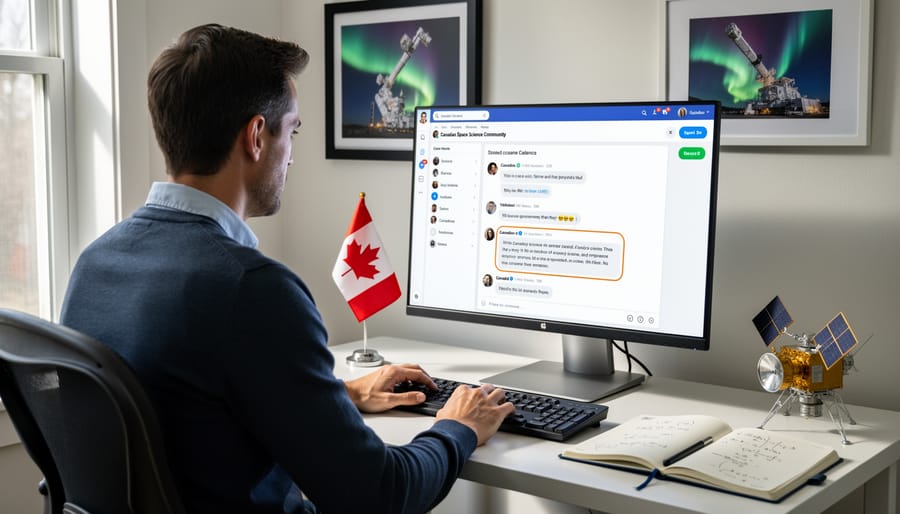
Once your guest post goes live, your work has just begun. Active participation in the comment sections and community forums transforms a one-time publication into an ongoing conversation. Respond promptly to reader questions, addressing both curious beginners and fellow professionals with equal respect. When someone challenges your research or methodology, view it as an opportunity to clarify rather than defend—this demonstrates scientific integrity and builds credibility.
Set up notifications for comments on your article and check back regularly during the first few weeks after publication. Share additional resources, updated findings, or related studies that enhance the discussion. Canadian space science platforms often feature dedicated community forums where readers continue conversations beyond individual articles. Join these spaces to connect with readers who share your interests.
Remember that engagement isn’t about promoting yourself—it’s about contributing value. Answer questions thoroughly but concisely, acknowledge different perspectives, and direct readers to other experts when appropriate. This collaborative approach positions you as a thoughtful authority while fostering meaningful connections within Canada’s space science community. Many lasting professional relationships and research collaborations begin in these digital discussions.
Common Pitfalls to Avoid
Even the most compelling space science content can face rejection if you fall into common submission traps. Understanding these pitfalls will significantly improve your chances of publication success.
One of the quickest paths to rejection is presenting outdated information. Canadian space science moves rapidly, with new discoveries from missions and research institutions emerging regularly. Always verify your data against current sources and include publication dates for studies you reference. What was groundbreaking two years ago might already be superseded by newer findings.
Sensationalism represents another critical mistake. While headlines like “Aliens Confirmed on Mars!” might grab attention, they damage your credibility and violate editorial standards. Canadian platforms value accuracy over clickbait. Instead, focus on the genuine excitement inherent in legitimate discoveries—there’s enough wonder in real space science without fabricating drama.
Unverified claims will sink your submission immediately. Every factual statement should trace back to reputable sources such as peer-reviewed journals, official space agency announcements, or established research institutions. If you can’t provide solid backing for a claim, don’t include it.
Poor structure frustrates editors and readers alike. Avoid lengthy, dense paragraphs that bury your main points. Break complex ideas into digestible sections with clear transitions. Your narrative should flow logically from introduction through supporting evidence to conclusion.
Finally, neglecting to follow specific submission guidelines shows disrespect for the publication’s process. Each platform has unique requirements for formatting, word count, and attribution. Review these carefully before submitting, ensuring your piece meets every specified criterion.
Contributing to Canadian space science platforms offers a unique opportunity to share your research, insights, and passion with an engaged community of space enthusiasts and professionals. These platforms provide visibility for your work while advancing public understanding of space exploration and astronomical discoveries happening right in Canada’s backyard. Whether you’re documenting the latest findings from Canadian Space Agency missions, analyzing astronomical phenomena, or exploring the future of space technology, guest posting connects you with readers who genuinely value scientific discourse.
Taking the first step is straightforward. Review submission guidelines carefully, ensuring your content aligns with the platform’s focus and audience expectations. Prepare a compelling pitch that highlights your expertise and the unique perspective you bring to Canadian space science. Engage with existing community forums to understand what topics resonate most with readers, and consider how your contribution fits into ongoing conversations.
Remember that quality always trumps quantity. Focus on delivering well-researched, accessible content that explains complex concepts without overwhelming readers. Sign up for platform newsletters to stay informed about emerging topics and submission opportunities. Your voice matters in shaping Canada’s space science narrative—start contributing today and become part of this dynamic community driving curiosity and discovery forward.